Unlock Sustainable Energy with Biogas Digesters
Transform organic waste into a powerful, renewable energy source. Discover expert knowledge, design principles, and real-world solutions for a greener future.
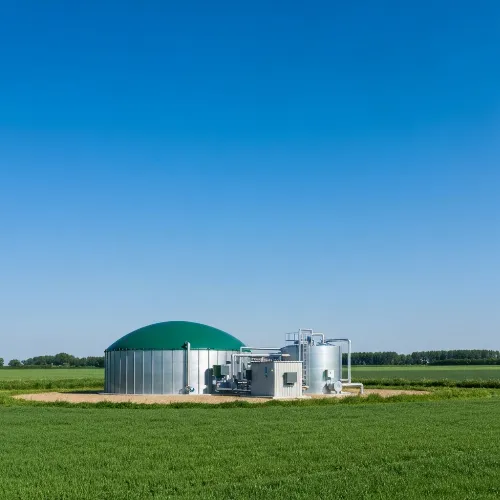
Eco-Friendly
Clean Energy
Transform organic waste into a powerful, renewable energy source. Discover expert knowledge, design principles, and real-world solutions for a greener future.
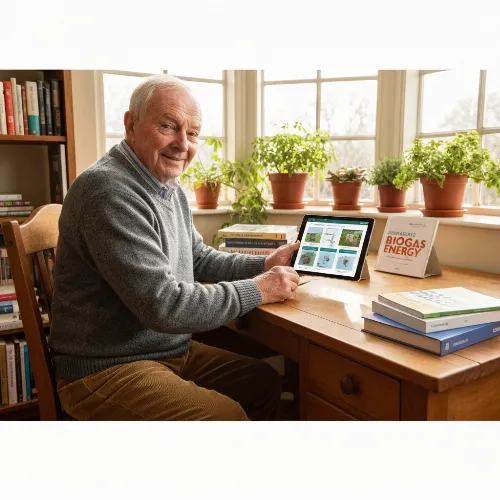
Access a vast library of beginner-friendly guides, in-depth system comparisons, and practical design principles to master biogas technology.
Explore Resources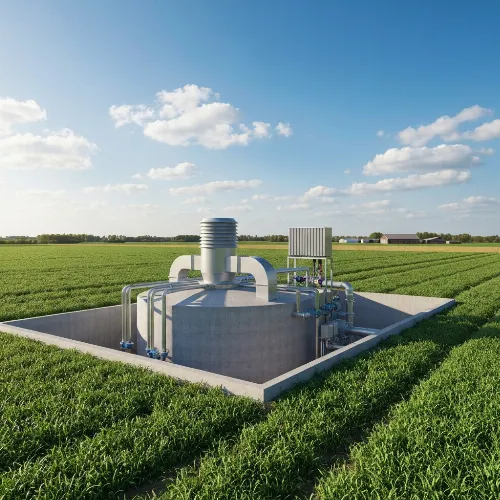
Discover how biogas technology is transforming lives and farms globally with inspiring real-life examples and practical insights.
View Success Stories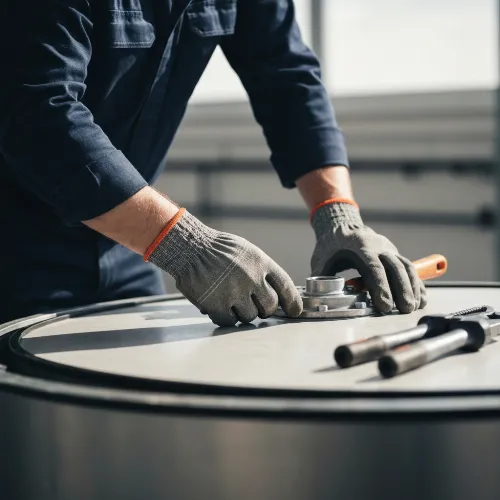
Benefit from practical advice on installation and maintenance, ensuring your biogas system runs efficiently and effectively for years.
Get Expert TipsAt Biogas Digester World, we believe in the transformative power of biogas. Discover how our mission to make renewable energy accessible has grown, driven by a passion for sustainability and energy independence.
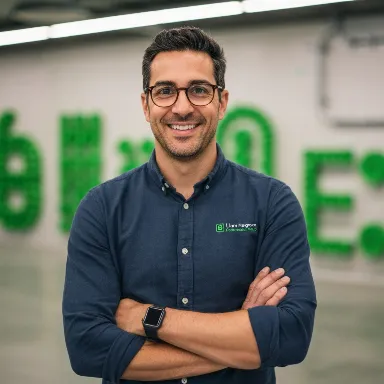
Steve Last our founder, is a passionate advocate for renewable energy, specializing in biogas technology. With a background in environmental science, he recognized the urgent need for practical, accessible sustainable solutions.
His vision was clear: to empower individuals, farmers, and organizations to harness organic waste for energy independence. This dedication led to the creation of Biogas Digester World, a platform designed to demystify biogas and make its benefits tangible for everyone.
Steve's commitment extends beyond education; he strives to promote sustainable living and foster energy independence, one biogas digester at a time.
We're just starting out in promoting sustainable energy solutions worldwide via this website.
Community Members
100+
Resources & Guides
Positive Feedback
Years of Expertise
From a simple idea to a global reference hub, our journey is marked by dedication and growth.
Biogas Digester World was founded by Liam Hargrove, driven by the belief that renewable energy should be accessible and practical for everyone. The initial concept was to create an educational hub to address the growing need for sustainable solutions.
The official launch of Biogas Digester World as a comprehensive online platform. We began publishing beginner-friendly guides, introducing the fundamentals of biogas technology and its applications.
Significant expansion of our content library, including in-depth system comparisons, design principles, and maintenance tips. Our community of farmers, homeowners, and sustainability professionals began to grow rapidly.
Achieved recognition as a leading global reference hub for applied biogas knowledge. We introduced real-life case studies and advanced topics, solidifying our position as a trusted resource for sustainable energy.
We continue to innovate, adapting to new technologies and expanding our reach. Our commitment to empowering communities with biogas solutions remains unwavering, fostering a more sustainable and energy-independent future.
Empowering a sustainable future through accessible knowledge and innovative biogas technology.
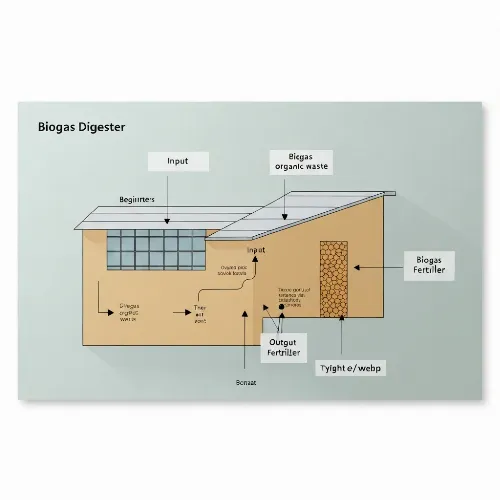
Dive into the world of biogas with our easy-to-understand guides. Perfect for homeowners and small farmers looking to get started with sustainable energy.
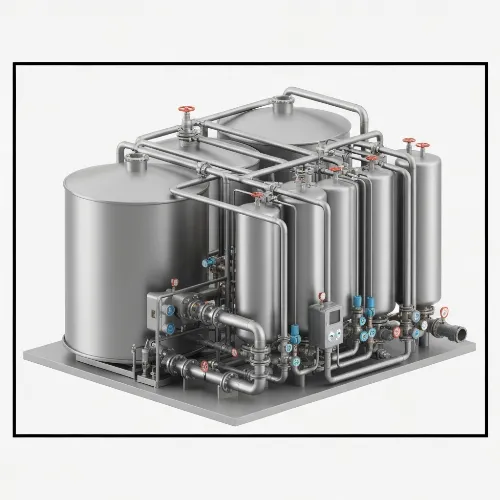
For the more experienced user, delve into the intricacies of digester design, optimization, and system integration for maximal efficiency.
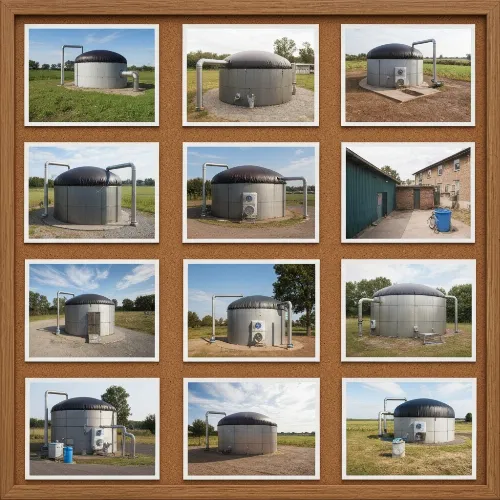
Explore successful biogas projects from around the globe. Learn from practical applications in various settings and inspire your own sustainable journey.
Stay updated with our latest insights, tips, and industry expertise
Fetching latest blog posts...
This should only take a moment
We're having trouble loading the latest blog posts right now. But don't worry - our content team is constantly working on amazing articles for you!
Professional insights and advice
Step-by-step guides
Tools and templates
See the impact we've made in empowering individuals and communities with sustainable biogas solutions.
Empowered Learners
Practical Guides & Resources
Countries Reached
Commitment to Sustainability
A biogas digester is essentially an airtight container where organic waste (like animal manure, food scraps, or agricultural residues) undergoes anaerobic digestion. This process, carried out by microorganisms in the absence of oxygen, breaks down the waste and produces biogas, which is primarily methane, and a nutrient-rich digestate. The biogas can then be used for cooking, heating, electricity generation, or even as vehicle fuel. It's an incredible way to turn waste into valuable resources!
Biogas digesters are quite versatile! They can process a wide range of organic materials. Common feedstocks include animal manure (cattle, pig, poultry), food waste from kitchens and restaurants, agricultural residues (crop stalks, straw), and even some industrial organic effluents. The key is to find a consistent supply of organic matter that can be easily broken down by anaerobic bacteria. We have detailed guides on optimizing different feedstocks on our blog!
The economic benefits are significant! You can substantially reduce or even eliminate your energy bills by generating your own cooking gas, heating fuel, or electricity. Additionally, the nutrient-rich digestate produced is an excellent organic fertilizer, reducing the need for chemical fertilizers. Some regions also offer incentives, grants, or carbon credits for adopting renewable energy technologies like biogas, further enhancing the financial returns. It's a smart investment for long-term savings and sustainability!
Biogas technology offers numerous environmental advantages. It reduces greenhouse gas emissions by capturing methane (a potent GHG) that would otherwise be released from decomposing organic waste. It diverts waste from landfills, minimizing soil and water pollution. Furthermore, it produces renewable energy, reducing reliance on fossil fuels, and creates an organic fertilizer that improves soil health and reduces the need for synthetic chemicals. It's a truly circular economy solution!
Small-scale biogas digesters are generally low-maintenance. Regular tasks include consistent feeding with suitable organic waste, ensuring proper water content, and occasionally stirring the digester contents. It's also important to monitor gas production and pressure. Periodically, you might need to check for leaks or blockages in the gas lines and ensure the digestate outflow is clear. We provide comprehensive maintenance tips and troubleshooting guides to keep your system running smoothly!
The time it takes for a biogas digester to start producing gas (often called the 'start-up phase') can vary depending on several factors, including the type of feedstock, temperature, and initial inoculum used. Generally, for a well-designed and properly started digester, you might see gas production begin within a few days to a couple of weeks. Full, stable gas production usually takes about 2-4 weeks. Patience is key during this initial period as the microbial community establishes itself!
You're in the right place! Biogas Digester World is designed to be your comprehensive hub for all things biogas. Explore our extensive collection of beginner-friendly guides, in-depth articles on design principles, real-life case studies, and maintenance tips right here on our website. You can also visit our Blog for the latest insights and our About Us page to learn more about our mission. We're constantly updating our content to provide you with the most current and practical information.
Biogas digesters come in various scales, making them suitable for a wide range of applications, including residential use! While large farms often utilize industrial-scale digesters, there are many compact, small-scale digesters specifically designed for households and small communities. These can efficiently process kitchen waste and garden refuse to produce enough biogas for daily cooking needs. We focus on small- to medium-scale solutions to empower individuals and smaller operations.
Choosing the right digester design involves several considerations: the type and quantity of organic waste you'll be feeding it, your energy needs, available space, local climate conditions (temperature affects digestion efficiency), and your budget. Factors like continuous vs. batch feeding, material of construction (plastic, concrete, brick), and desired gas output will influence your decision. Our platform offers system comparisons and design principles to help you make an informed choice tailored to your specific needs.
Absolutely! Biogas digesters are an excellent tool for NGOs and communities facing waste management issues, especially in areas with limited infrastructure. They provide a decentralized solution for processing organic waste, reducing odors, controlling pests, and preventing pollution. Simultaneously, the generated biogas offers a sustainable energy source for cooking, lighting, or small-scale power generation, improving living conditions and fostering energy independence. It's a win-win for both waste management and energy access.
Discover the power of biogas technology to transform organic waste into clean energy. Our comprehensive resources will guide you every step of the way.
What Our Community Says
Sarah Johnson
Sustainable Farmer
"Biogas Digester World transformed my farm's waste management. The guides are incredibly clear, and I've significantly reduced my energy costs. Highly recommended for any farmer looking to go green!"
David Chen
Environmental Consultant
"As a professional, I appreciate the depth of knowledge offered here. The case studies are invaluable for understanding real-world applications of biogas technology. A fantastic resource!"
Emily White
Eco-conscious Homeowner
"I was overwhelmed by biogas information until I found this site. It broke everything down into digestible steps, helping me plan my home digester with confidence. My family loves it!"
Mark Thompson
NGO Director, Rural Development
"Our organization relies on Biogas Digester World for up-to-date information on community-scale projects. Their resources are practical, well-researched, and directly applicable to our work in developing regions."